 Metadata catalogue
100.0 m
Type of resources
Available actions
Topics
INSPIRE themes
Provided by
Years
Formats
Representation types
Update frequencies
status
Scale
Resolution
-
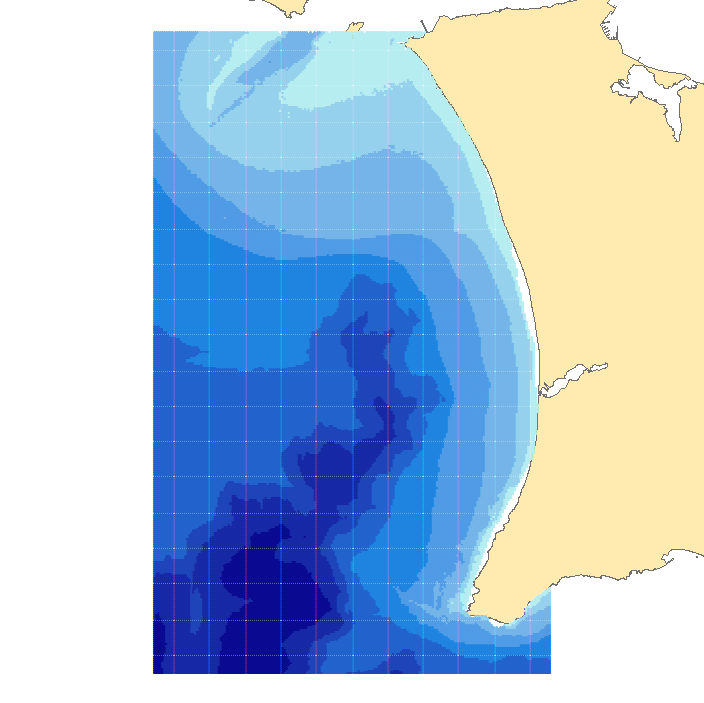
This dataset contains a depth grid with 100 meters spacing, built on sounding information from the hydrographic surveys in Costa da Caparica. The depth values are referred to the Hydrographic Zero (ZH).
-
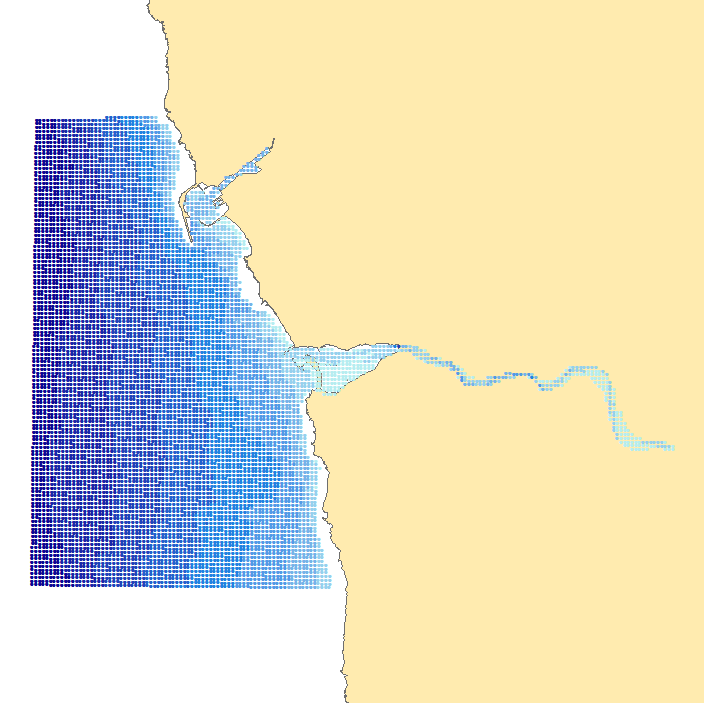
This dataset contains a depth grid with 100 meters spacing, built on sounding information from the hydrographic surveys in the Douro estuary. The depth values are referred to the Hydrographical Zero (ZH).
-
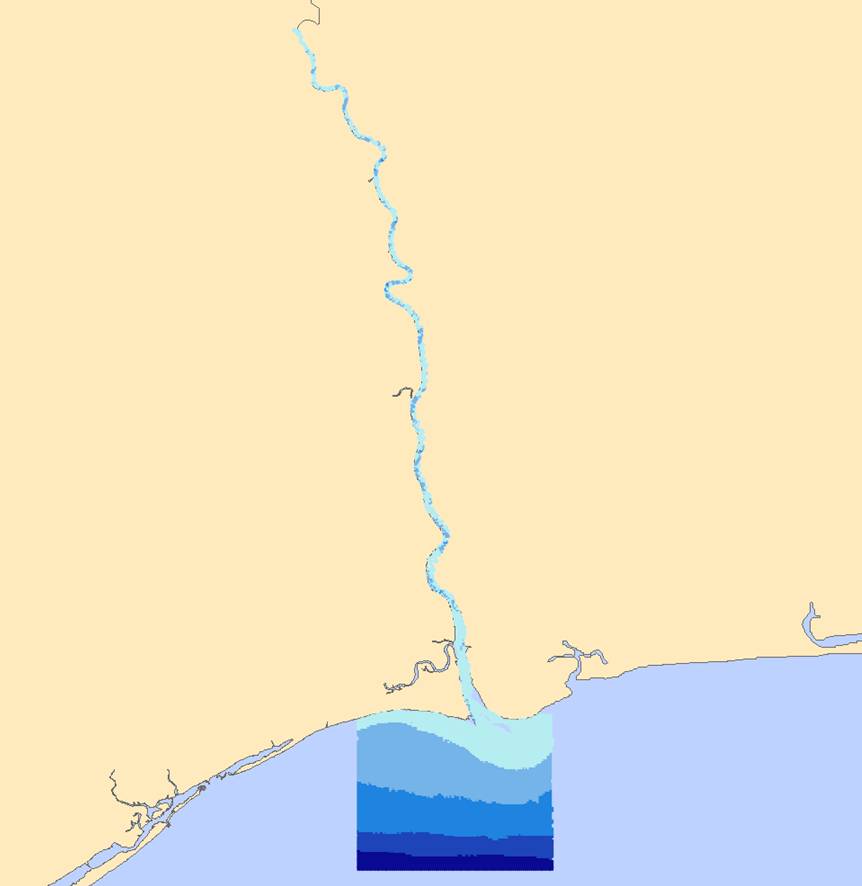
This dataset contains a depth grid with 100 meters spacing, built on sounding information from the hydrographic surveys in Guadiana River. The depth values are referred to the Hydrographic Zero (ZH).
-

This dataset contains a depth grid with 100 meters spacing, built on sounding information from the hydrographic surveys in Formosa. The depth values are referred to the Hydrographic Zero (ZH).
-
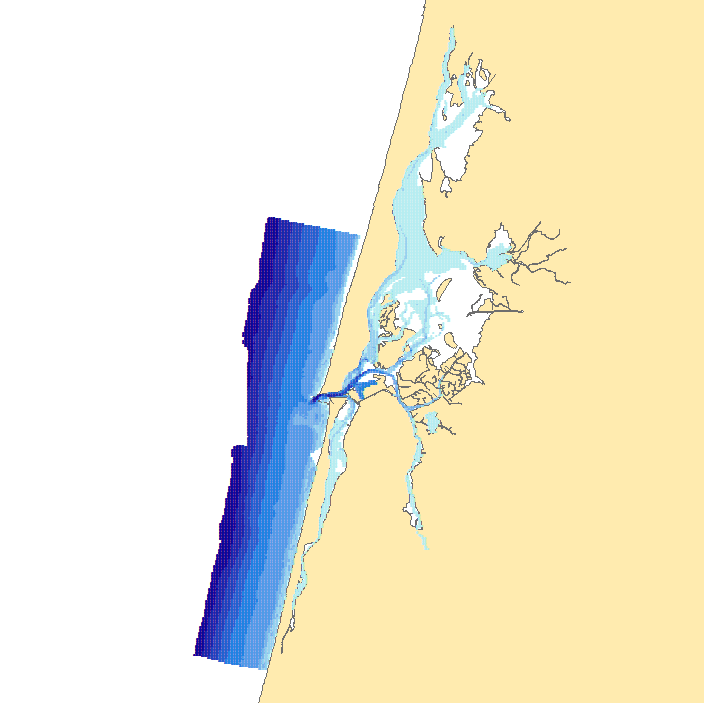
This dataset contains a depth grid with 100 meters spacing, built on sounding information from the hydrographic surveys in Aveiro. The depth values are referred to the Hydrographic Zero (ZH).
-
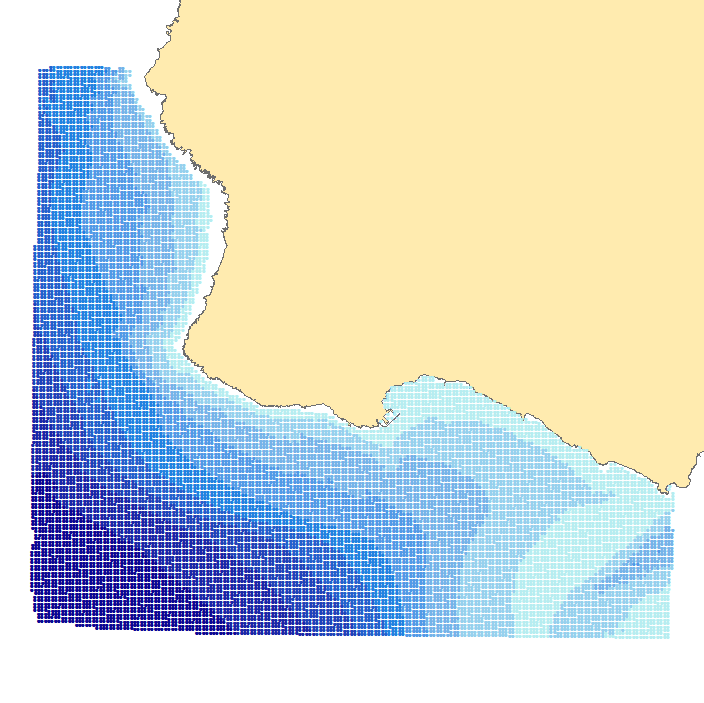
This dataset contains a depth grid with 100 meters spacing, built on sounding information from the hydrographic surveys in Cascais. The depth values are referred to the Hydrographic Zero (ZH).
-
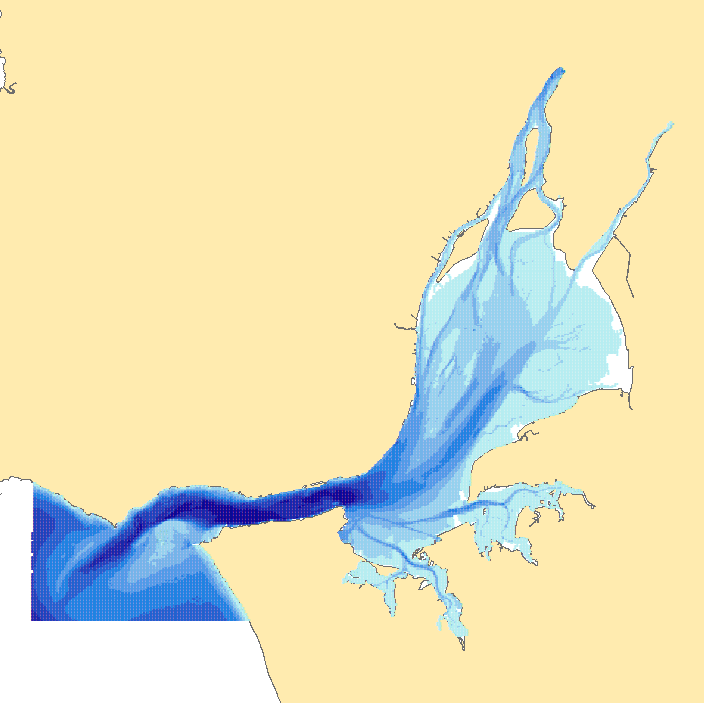
This dataset contains a depth grid with 100 meters spacing, built on sounding information from the hydrographic surveys in the estuary of Tagus river. The depth values are referred to the Hydrographic Zero (ZH).
-
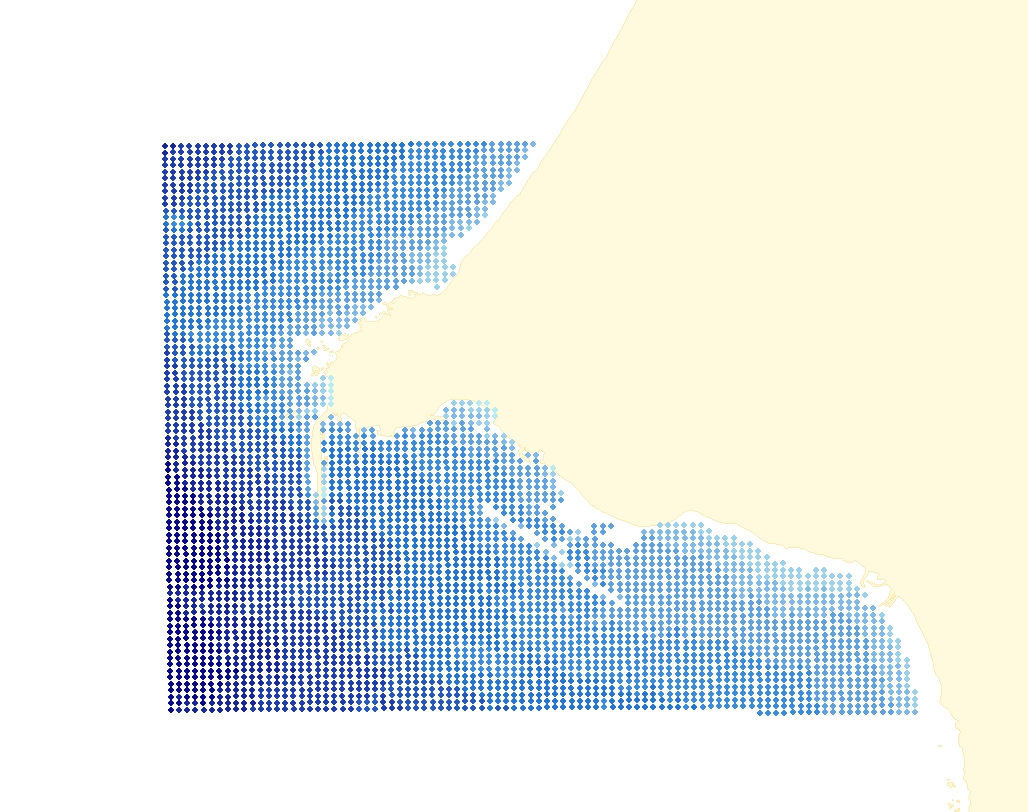
This dataset contains a depth grid with 100 meters spacing, built on sounding information from the hydrographic surveys in Sines. The depth values are referred to the Hydrographic Zero (ZH).
-

Localisation des Tiers-Lieux en région Centre. Ces espaces actifs ou en projet peuvent être des FAbLAbs, des espaces de Coworking, des MakerSpaces ou des ateliers numériques.
-

Estimation de l'AOT40 pour l'ozone en moyenne sur 5 ans sur la région Auvergne - Rhône-Alpes en 2016 - Statistiques selon la réglementation en vigueur pour chaque polluant.Valeur cible végétation à respecter : 18000 µg/m3.h en moyenne sur 5 ans